
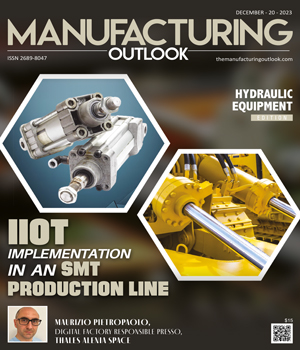

Hydraulic equipment stands as a testament to engineering ingenuity, leveraging the power of fluids to create robust and versatile machinery across numerous industries. From heavy machinery in construction and manufacturing to precise operations in aerospace and automotive sectors, hydraulic systems have revolutionized the way tasks are accomplished.
At the heart of hydraulic systems lies the utilization of incompressible fluids to transmit force, enabling the transfer of power and motion in a controlled manner. This fundamental principle allows hydraulic equipment to operate with exceptional strength, precision, and versatility, making it indispensable in a multitude of industries.
In the realm of construction and heavy machinery, hydraulic systems power cranes, excavators, bulldozers, and loaders, facilitating heavy lifting, digging, and maneuvering of materials with remarkable force and precision. The ability to generate immense power and control in these applications has significantly enhanced productivity and efficiency in construction and infrastructure development.
Moreover, hydraulic equipment plays a vital role in manufacturing processes, where precision and reliability are paramount. Hydraulic presses, CNC machines, and robotic systems utilize hydraulic power to mold, shape, cut, and manipulate materials with high accuracy, contributing to the production of intricate components and products across various industries.
The automotive sector also relies heavily on hydraulic systems, particularly in braking systems and power steering, where hydraulic pressure enables smooth and responsive control of vehicles. Hydraulic systems in aircraft provide critical functions, including controlling landing gear, wing flaps, and flight control surfaces, ensuring safe and precise maneuvers in aviation.
The agricultural industry benefits from hydraulic equipment as well, using hydraulic systems in farming machinery such as tractors and harvesters, enabling efficient and powerful operations essential for modern agricultural practices.
Hydraulic equipment stands as a cornerstone of modern industrial operations, providing unmatched power, precision, and versatility across various sectors. Its contributions to efficiency, productivity, and safety in diverse applications underscore its importance as a driver of innovation and progress. As technology continues to advance, the evolution of hydraulic systems will undoubtedly play a pivotal role in shaping the future of machinery and industry, fostering continued growth and efficiency in a wide array of fields.